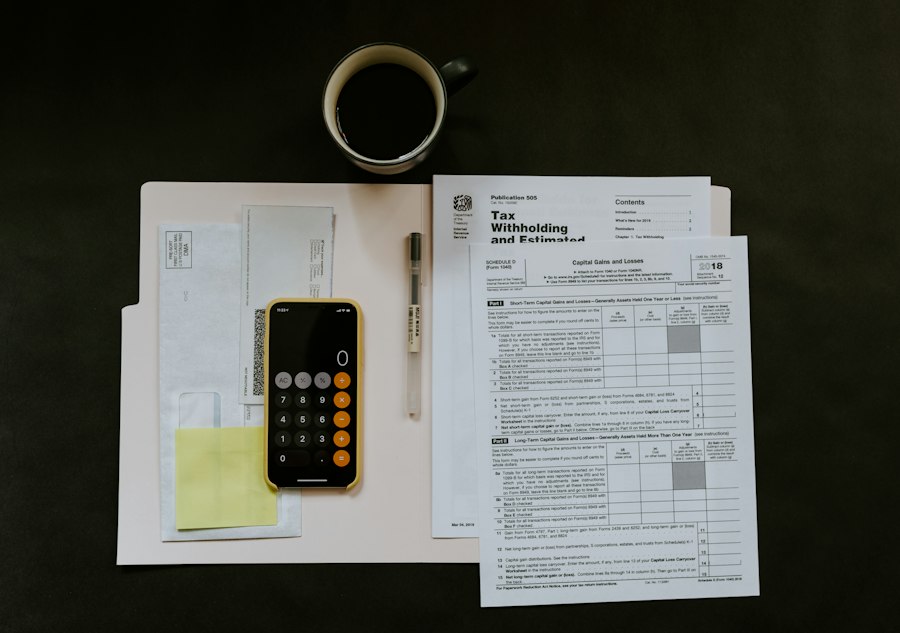
A budget is not about saying no to everything you enjoy. It is a way to give your money a purpose, so your everyday choices support the life you want to build.
Start by looking at what comes in and what goes out. Review a few months of bank and card statements to understand your income, recurring bills, and flexible spending.
Separate essentials from the things that are nice to have. Housing, groceries, transportation, and minimum debt payments usually come first. The goal is awareness, not judgment.
Next, choose a realistic amount for saving. Even a small automatic transfer on payday can make saving more consistent and help you build a cushion over time.
Make room for irregular expenses, too. Car repairs, gifts, and annual bills can feel less surprising when you set aside a little for them each month.
Leave space for the things you enjoy. A plan that includes some flexibility is often easier to maintain than one that asks you to change every habit at once.
Check in with your budget regularly and adjust it as your circumstances change. A new job, a move, or a change in family needs can all call for a fresh look.
Above all, aim for progress rather than perfection. A useful budget is one you can return to, learn from, and adapt as your priorities evolve.
This article is for general informational purposes only and is not financial, investment, tax, or legal advice.
← Back to all insights